image
image

How to get rid of fleas in the house - fast!

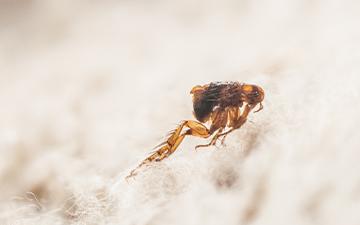
Seen fleas on your pet? Been bitten on the ankles? Or has cuddling your cat or dog left you with little red spots? We’re sorry to tell you, but these are signs of a home flea 
infestation. As pet parents it’s hard not to panic when we hear this news, but don’t 
worry. You just need to follow some important steps to get rid of them.

1. Treat all pets for fleas

Even if the little pests have only been spotted on one pet, all cats and dogs in the house need to be treated for fleas (if they haven’t been already). It’s important to not just kill the fleas currently on the pet but to stop new fleas from developing in the home. Because – terrifyingly – just 50 untreated fleas can lead to 1 million eggs in only four weeks!

When choosing a flea treatment, it’s important to remember not all flea treatments are the same. Some only kill fleas that are on your pets. Others can also stop the eggs fleas lay from hatching in your home or can kill fleas before they have a chance to lay eggs – and that will help avoid more infestations.

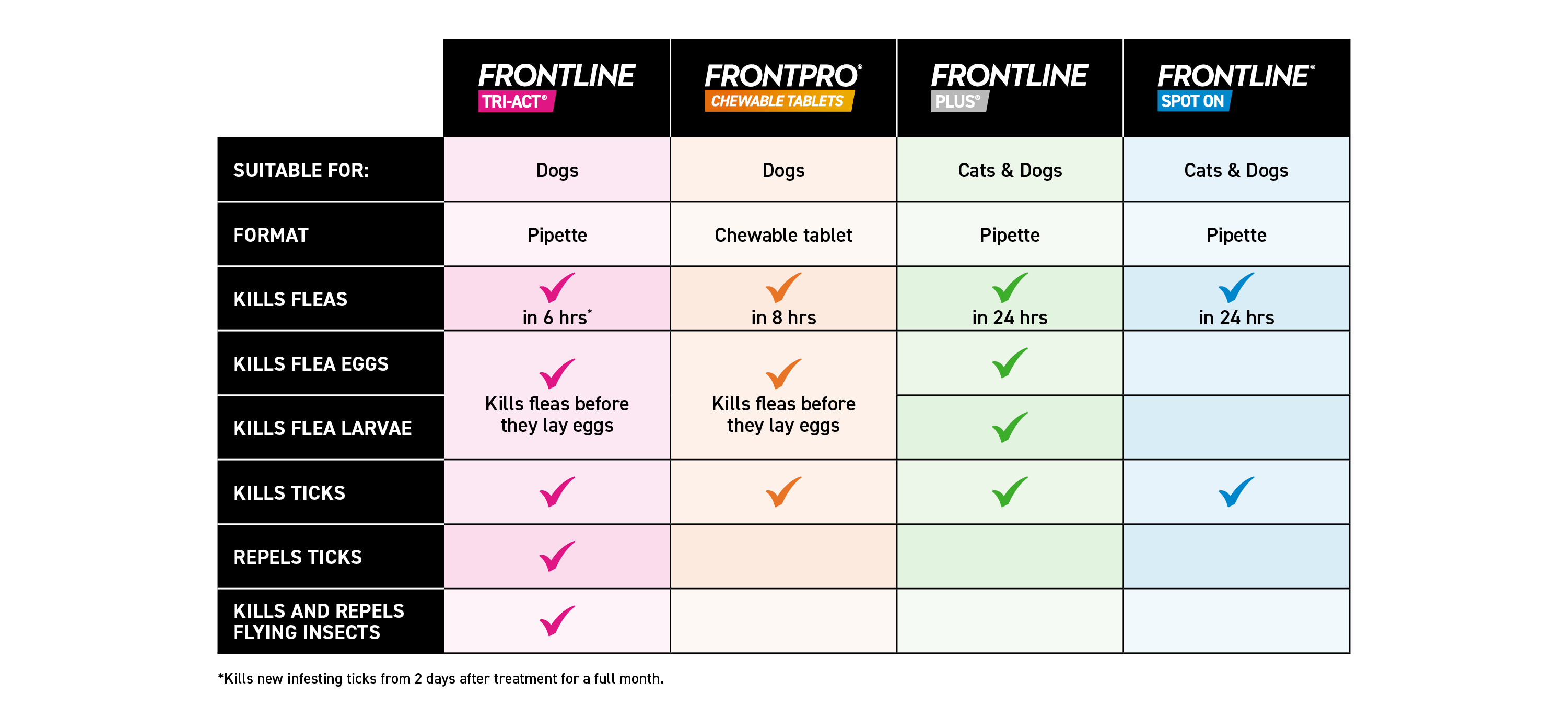
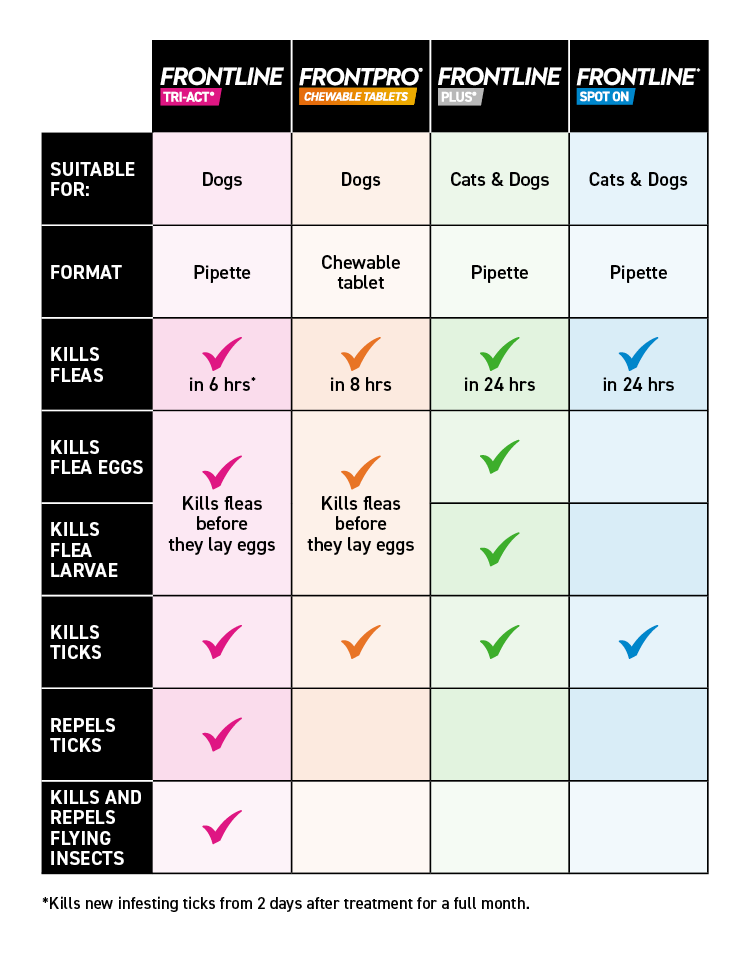
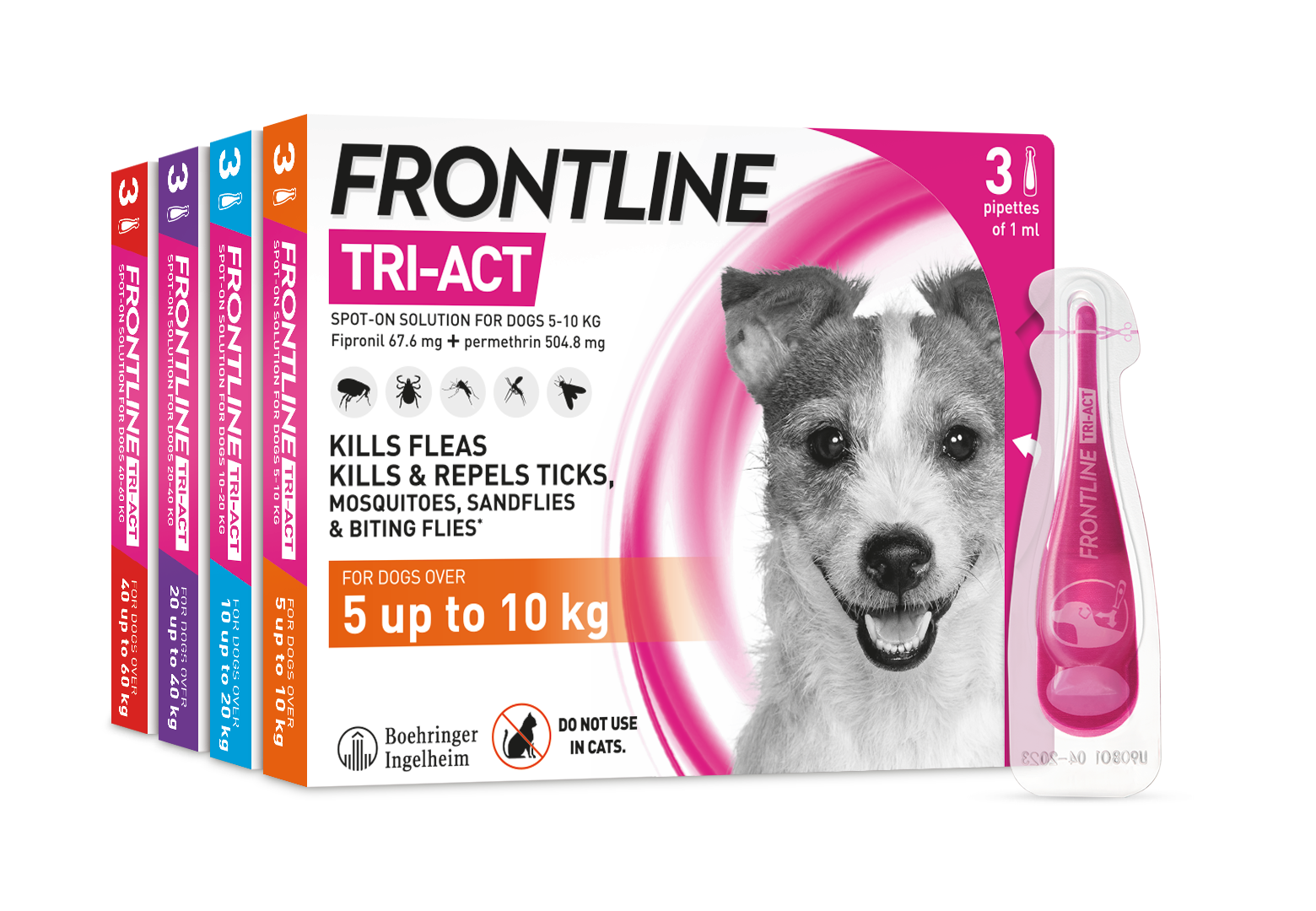
FRONTLINE PLUS® stops flea eggs from hatching in the home. Whereas FRONTPRO® and FRONTLINE TRI-ACT® kill fleas before they have a chance to lay eggs.

Frontline product comparison table
image
image

2. Regularly vacuum everywhere your pet has been

Seeing adult fleas unfortunately means there will be flea life stages (eggs, larvae and pupae) around the place, waiting to develop into new fleas.

So, it’s time to get busy with that vac wherever your pets go. Hard floors, furnishings, the car, carpets and rugs – they all need doing.

This does two things. The warmth and vibration will encourage new fleas to hatch – they’ll then jump on a treated pet and be killed by the treatment. Plus, it vacuums up some of the flea life stages. Flea and tick treatments that contain (S) methoprene such as FRONTLINE PLUS®, stop flea eggs from hatching in your home but vacuuming means you can remove these eggs from your home environment. Remember to empty the vacuum cleaner afterwards!

3. Wash pet bedding

Body Copy

Flea eggs fall off a pet's coat wherever they go, especially in places where they lie or sleep, meaning these places may be infested with all flea life stages. If possible, wash these items at 60°C to help remove some of the problem.

image image

4. Allow pets access to all their usual places

The good news is a flea-treated pet is going to help resolve the infestation rather than make it worse. This is an important step as fleas emerge from their cocoons with the stimulation of movement, vibration or carbon dioxide, so the presence of a dog or cat encourages the fleas to hatch. So, let them go wherever they usually do in the home. Fleas will develop and jump onto your pet, where they’ll be killed quickly by the flea treatment – within 6 hours if you’re using FRONTLINE TRI-ACT®*, within 8 hours if you’re using FRONTPRO®* and within 24 hours if you’re using FRONTLINE PLUS® or FRONTLINE® SPOT ON. Remember that’s why in a flea infestation situation, you could see fleas on your pet even after they’ve been treated – they’re not the same fleas that you saw on your pet yesterday.


*FRONTLINE TRI-ACT® and FRONTPRO® are only suitable for dogs.

image
image

5. Use a household spray

Home sprays such as FRONTLINE HOMEGARD® can be used throughout the home, on non-washable furniture and home textiles such as carpets, mats and sofas. It kills fleas, flea larvae, stops flea eggs from hatching in the home – and kills ticks too! Household sprays should never be used on pets. Remember to spray hard to reach areas such as under sofas and furniture, also don’t forget to treat inside the vacuum and the car (if pets have ever visited there).

Taking these steps helps fight a flea infestation faster, but it takes time for an infestation to resolve as we have to wait for all the flea pupae to develop into adult fleas before the  infestation is over. This can mean that a flea infestation can take three months or sometimes longer to resolve. Remember, due to their tough protective cocoon, no chemical can kill flea pupae.

It’s also important to know that an infestation can seem to get worse before it gets better. That’s because the flea life stages already in the home are developing and hatching out. Don’t lose faith – if your pet is protected against fleas and ticks and you’ve sprayed your home with a household flea spray, the infestation will be on its way out.

Remember special precautions should be taken when using FRONTLINE HOMEGARD® in a cat household. One of the ingredients permethrin, is toxic to cats so it’s very important the treated surfaces are dry and the room is aired before cats and other pets are allowed back in. As with any household spray, it’s important to read the label before use.


 

6. Ongoing treatment

When considering preventative flea treatment after the home infestation has been resolved, it’s always best to treat your pet for fleas according to their lifestyle. For example, pets who go outdoors, especially in areas where other pets and wildlife such as hedgehogs, foxes or other animals can roam are at higher risk of picking up fleas (as well as intestinal worms and ticks) than those who don’t. For more information, ask your vet, or a suitably qualified professional at pet stores, what treatment frequency they’d recommend for your pet’s lifestyle.

Two Paragraphs
triact range

Take your dog’s parasite protection to the next level

FRONTLINE TRI-ACT® has a unique formula that kills faster1 and repels more2 disease- carrying parasites than the next leading competitor brand.


1 Compared to next leading non-prescription competitor brand and when used monthly.

2 Compared to next leading non-prescription competitor brand with repellent activity.

Get answers from the experts

Got a question about fleas, ticks or worms? We can help! Take a look at our FAQs or send us a message.

Two Paragraphs
#PETPARENTCLUB

Join the #PetParentClub

We’ve got an amazing community of dedicated pet parents on our social channels. You’ll find pet care tips and cute pics, plus advice from our pet experts. We can’t wait to welcome you to the club!