5. Anger or frustration can make matters worse, so be firm and patient - speak clearly and calmly. Walk away from bad behaviour (see how below) but praise and reward them when they play nicely.
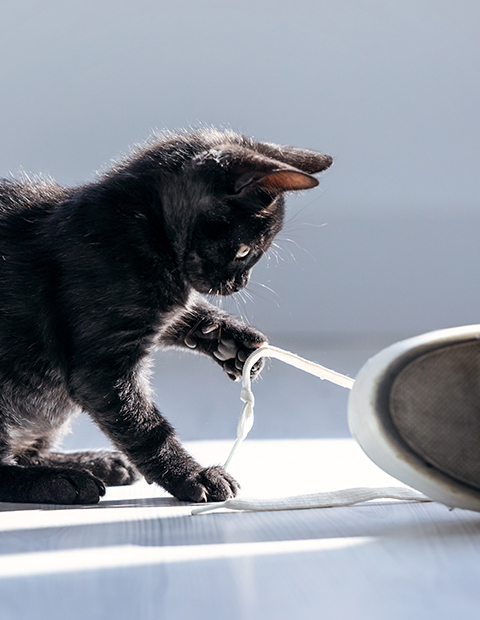
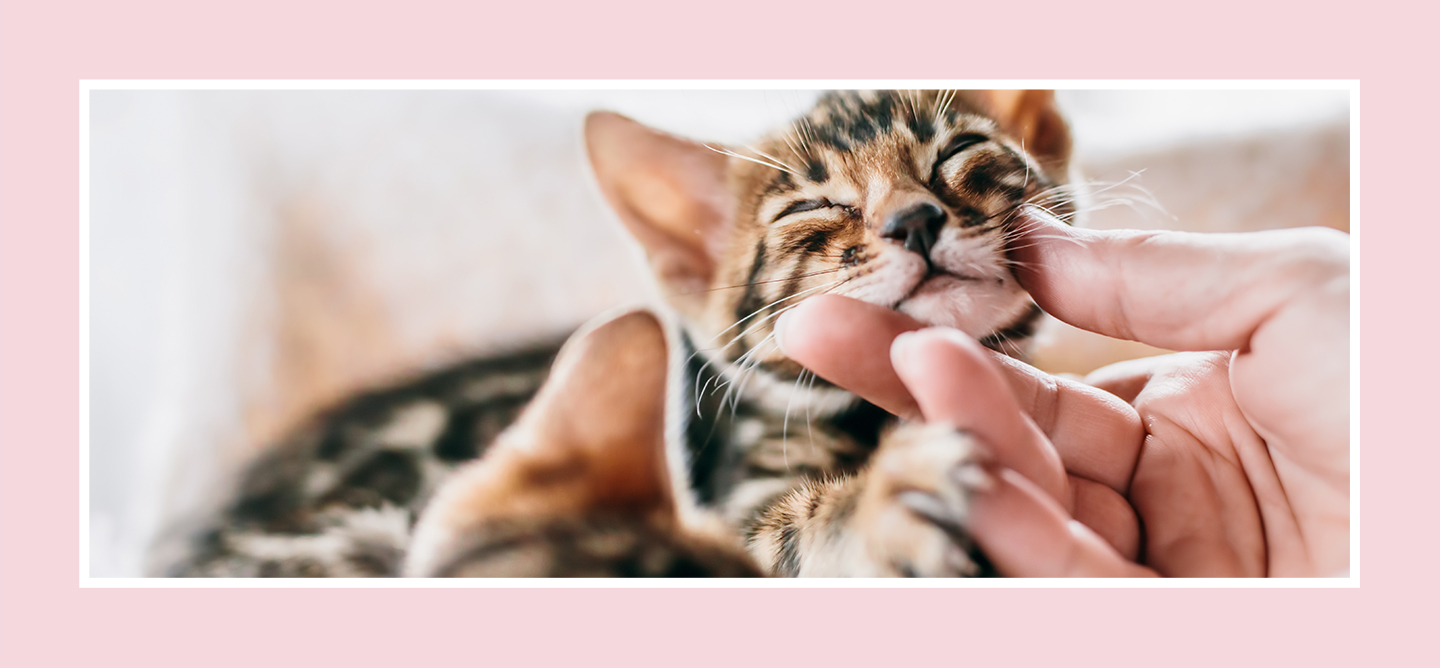
6. Say ‘No’ to nipping and scratching, then step away to give them time to calm down. They quickly learn that biting and scratching means they’ll be ignored by one of their favourite humans. And that’s no fun for anyone!
7. Help them settle in. A kitten with enough food and water, a scratching post, plenty of toys and comfy places to curl up will soon start to feel secure, which will lessen any anxious biting or scratching. Give them time to settle and keep to a routine.
8. Let them know they’re safe. Cats usually bite to show aggression, so if they’re unsettled, they can take it out on us pet parents. Whether it’s a rival cat prowling in the garden and invading their territory, or there’s a new person in the house, biting can be a sign that a cat is feeling insecure. When we’re consistent in our behaviour towards them, they quickly learn they’re safe with us.
9. Keep them healthy. If a kitten suddenly becomes abnormally aggressive beyond what you’ve seen before, it’s worth taking a trip to the vet to find out if there’s something wrong. If the poor cat is in pain, they’re more likely to feel defensive and lash out.
10. Regularly trim their claws to keep a kitten in tip-top condition. It’s good for their wellbeing and a nice bonus is that if they do scratch - it’s less painful!
To be a good pet parent, it’s important to see things from our kitten’s point of view. Putting ourselves in their paws can help us to understand their behaviour and teach them how to do things right. A consistent pet parent makes for a happy household, especially when it comes to kittens.